Teapots Through Time

Declan Kennedy
| 09-04-2026
 · Lifestyle Team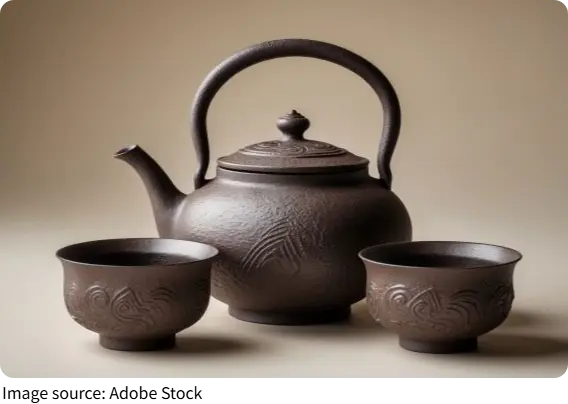
I still remember the first time I held a handmade clay teapot, its warm surface fitting perfectly in my hands as I poured a cup of freshly steeped tea.
That moment sparked a fascination: why does the material of a teapot matter so much, and how does it shape both taste and tradition?
From rustic clay to delicate porcelain, each teapot carries a story of craftsmanship, culture, and flavor that deserves exploration.
Clay Teapots: Absorbing History and Flavor
Clay teapots, particularly unglazed ones, are celebrated for their porous nature, which allows them to absorb tea oils over time.
1. Flavor Enhancement: Regular use of a clay teapot can subtly intensify the flavor of certain teas. The absorbed oils create a seasoned environment that enriches each brew. For example, A Yixing clay teapot dedicated solely to oolong tea cultivates a richness of flavor that no metal or porcelain vessel can ever match.
2. Cultural Significance: Clay teapots are often associated with traditional tea ceremonies, especially in East Asia. Their crafting process, from molding to firing, is a ritual in itself, reflecting centuries-old techniques.
3. Practical Considerations: While clay pots excel in flavor retention, they require careful maintenance. Avoiding soap and dedicating each brewing vessel to a single tea type ensures the best results and longevity.
Porcelain Teapots: Elegance Meets Versatility
Porcelain teapots, in contrast, offer a non-porous, smooth surface that doesn't retain flavors, making them ideal for brewing a variety of teas.
1. Neutral Taste Profile: Porcelain doesn't interact with tea leaves, allowing the pure essence of each tea to shine. This makes it popular in Western tea traditions where multiple tea varieties are enjoyed in succession.
2. Aesthetic Appeal: Delicate glazing and artistic designs make porcelain teapots not only functional but also decorative. Antique European porcelain teapots, with hand-painted motifs, are prized collector pieces.
3. Durability and Maintenance: Easier to clean than clay, porcelain teapots can withstand a wide range of temperatures and are less prone to cracking under heat stress, making them practical for daily use.
Metal and Other Materials: Innovation in Brewing
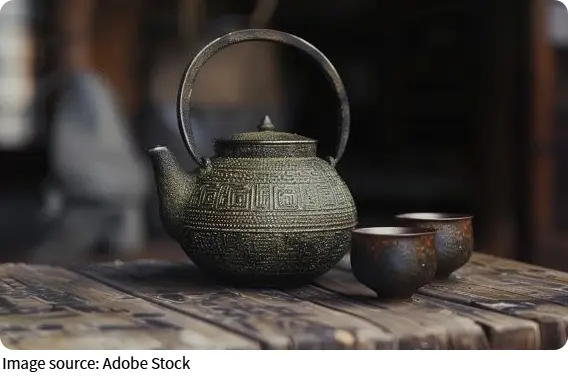
Beyond clay and porcelain, metals like stainless steel and cast iron have been used to craft teapots that emphasize heat retention and durability.
1. Heat Retention: Cast iron teapots keep water hot for longer periods, allowing for slower, more controlled infusions.
2. Modern Convenience: Stainless steel teapots are highly resistant to damage, lightweight, and often paired with modern design elements for contemporary kitchens.
3. Flavor Interaction: Unlike clay, metal does not absorb flavors, and some metals can even slightly alter the taste due to their thermal properties, adding a subtle layer of complexity to the brew.
Holding a teapot in your hands is like holding a bridge to centuries of tradition. Each material—from porous clay to elegant porcelain and durable metals—shapes not only the taste of the tea but also the experience of brewing and sharing it. Next time you pour a cup, consider the story your teapot carries, the flavors it enhances, and the quiet artistry it brings to your daily ritual. In choosing a teapot, we choose not just a vessel, but a companion in the timeless journey of tea.