Floral Color Mastery

Amit Sharma
| 20-03-2026
 · Art Team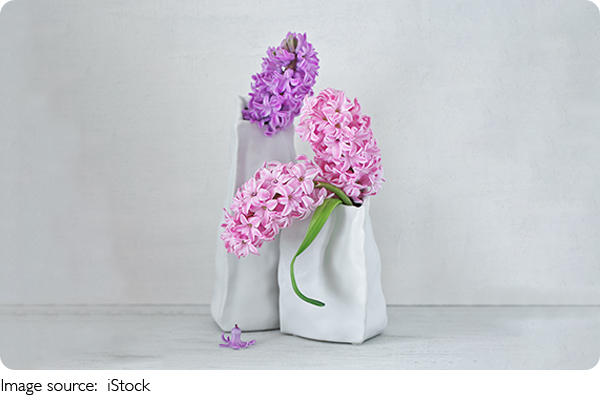
Color is often the first thing we notice in a floral arrangement. Before shape or structure, it is color that captures attention and sets the emotional tone.
Understanding how colors interact is essential for creating arrangements that feel intentional, balanced, and visually striking.
The Basics of Color Theory
At the core of floral design lies the color wheel—a simple yet powerful tool that helps designers understand relationships between colors. It organizes hues into primary, secondary, and tertiary groups, making it easier to predict how combinations will appear together.
Warm colors such as red, orange, and yellow tend to feel energetic and inviting, while cool colors like blue and green create a calm and relaxing atmosphere. Choosing between these groups depends on the mood you want to establish in a space.
1. Warm colors create energy and brightness
2. Cool colors bring calm and softness
3. Balanced palettes combine both for harmony
Using Complementary Colors for Impact
Complementary colors sit opposite each other on the color wheel. When placed together, they create strong contrast and visual excitement. This technique is often used when the goal is to make an arrangement stand out.
For example, pairing purple flowers with yellow accents can create a vibrant and dynamic look. However, balance is key. Too much contrast can feel overwhelming, so designers often let one color dominate while the other acts as an accent.
1. Choose one dominant color
2. Use the complementary color sparingly
3. Maintain balance to avoid visual overload
Creating Harmony with Analogous Colors
Analogous color schemes use hues that sit next to each other on the color wheel. These combinations are naturally harmonious and easy on the eye. They are ideal for creating soft, elegant arrangements that feel cohesive.
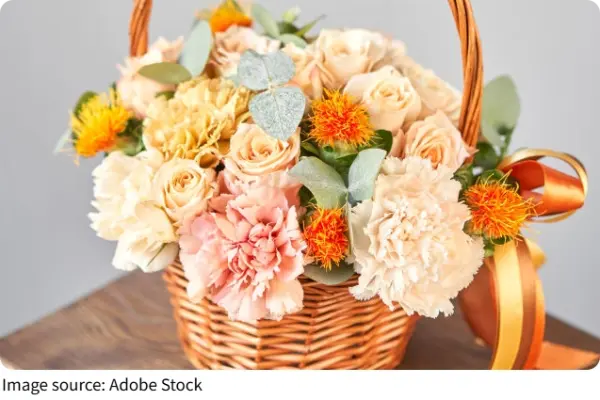
For instance, a palette of pink, red, and orange can produce a warm and flowing composition. Because the colors are closely related, the transitions between them appear smooth and natural.
This approach is particularly effective in minimalist or modern interiors where subtlety is preferred over bold contrast.
The Role of Neutrals and Greenery
Neutral tones and greenery play a crucial role in balancing color-heavy arrangements. Whites, creams, and soft greens can act as visual resting points, preventing the design from feeling too intense.
Green foliage is especially important because it connects the arrangement back to nature. It also helps unify different colors, making the overall composition feel more grounded and complete.
1. Use neutrals to soften bold palettes
2. Add greenery for natural balance
3. Avoid overcrowding with too many bright tones
Adapting Color to Interior Spaces
Color choices should not exist in isolation—they need to complement the surrounding environment. A well-designed arrangement considers wall colors, furniture tones, and lighting conditions.
In a neutral room, a bold arrangement can act as a focal point. In a colorful space, a softer palette may create better balance. Natural light can also influence how colors appear, making them brighter or more subdued throughout the day.
Understanding this interaction helps ensure that the arrangement enhances the space rather than competing with it.
Refining Your Personal Style
Mastering color theory is not about following strict rules, but about developing an intuitive sense of balance. Experimenting with different combinations allows you to discover what feels visually satisfying.
Over time, you begin to recognize which palettes create energy, which bring calm, and which achieve a perfect balance between the two. This awareness transforms floral design from simple decoration into a thoughtful creative process.
A well-crafted color palette does more than please the eye—it shapes the atmosphere of a room. By learning how to use contrast and harmony effectively, even the simplest arrangement can become a refined expression of style and intention.